
What Preventive Care Your Dog Needs at Age 3 (Before Problems Start)
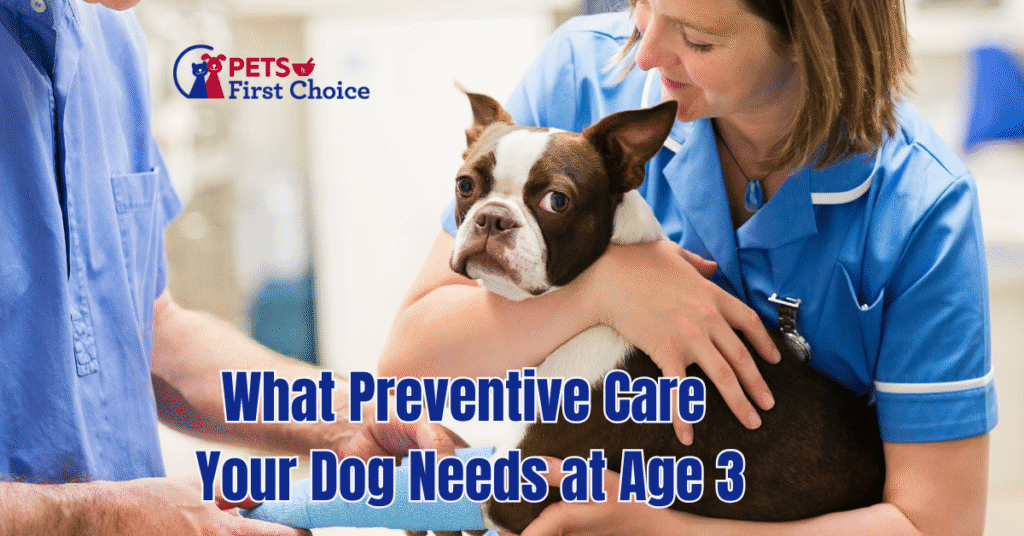
Dog wellness often gets overlooked once puppies grow out of their early vet visits, but age 3 is one of the most important milestones in your dog’s life. Your dog may look perfectly healthy on the outside, yet subtle changes are happening beneath the surface that can shape their long-term health.
At age 3, your dog officially enters adulthood. This is the stage where proactive care matters most, because many chronic conditions begin developing long before symptoms ever appear. The good news? With the right preventive approach, many common health issues can be delayed, minimized, or avoided altogether.
Why Age 3 Is a Turning Point for Dog Health
By the time your dog reaches age 3, their growth has stabilized, their immune system has matured, and lifestyle patterns are firmly established. This makes it the ideal time to shift from reactive care to intentional dog preventive care.
Waiting until your dog “seems sick” often means dealing with more complex, costly, and stressful situations later. Instead, focusing on early dog health care helps you protect your dog’s energy, mobility, digestion, and overall quality of life.
Think of this stage as setting the foundation for the next 10+ years.
Core Preventive Care Your Dog Needs at Age 3
1. Annual Wellness Exams
An annual wellness exam is the backbone of good dog health. Even if your dog appears perfectly fine, routine exams help catch issues early, when they’re easiest to manage.
Your veterinarian will assess:
- Weight and body condition
- Heart and lung function
- Joint mobility
- Skin, coat, eyes, and ears
These visits help establish a baseline, making it easier to notice changes over time.
2. Dog Vaccine Maintenance
While your dog may not need as many shots as they did as a puppy, staying current on the right dog vaccine schedule remains essential. Vaccines help prevent serious illnesses that can resurface if immunity lapses.
Your vet may recommend boosters based on:
- Lifestyle (indoor vs outdoor)
- Travel or boarding habits
- Regional disease risks
Staying consistent with vaccinations is a key part of responsible dog health care.
3. Parasite Prevention
Fleas, ticks, and heartworms don’t just cause discomfort. They can lead to long-term health complications if left unchecked.
At age 3, consistent parasite prevention should already be part of your routine. Year-round prevention is often recommended, even if you live in a low-risk area, because exposure can happen quickly and unexpectedly.
This is one of the simplest ways to protect your dog’s health with minimal effort.
4. Dental Care for Dogs
Dental care for dogs is one of the most commonly overlooked aspects of preventive health. By age 3, plaque buildup and early gum disease may already be present, even if your dog isn’t showing obvious signs.
Poor dental health doesn’t just affect the mouth. Bacteria from untreated dental issues can impact the heart, kidneys, and liver over time.
Preventive dental care may include:
- Regular tooth brushing at home
- Dental chews or treats
- Professional cleanings when recommended
Healthy teeth support a healthier body overall.
Nutrition and Lifestyle Matter More Than You Think
At age 3, your dog’s metabolism and energy needs may begin to change. Feeding the right diet, appropriate portions, and maintaining a healthy activity level all play a role in long-term dog health.
This is also the stage where weight gain can quietly begin. Excess weight puts strain on joints, organs, and the immune system, increasing the risk of future issues.
Balanced nutrition and regular movement are essential components of everyday care for dogs.
Your Age-3 Dog Health Checklist
Use this dog health checklist to stay ahead of problems before they start:
- Annual wellness exam
- Updated dog vaccine schedule
- Monthly flea, tick, and heartworm prevention
- Consistent dental care routine
- Balanced nutrition and portion control
- Regular exercise appropriate for breed and size
- Monitoring changes in behavior, appetite, or energy
Sticking to this checklist helps ensure your dog stays healthy, active, and comfortable well into their senior years.
Prevention Now Means Fewer Problems Later
One of the biggest misconceptions in dog care is that preventive steps aren’t necessary until a dog gets older. In reality, the choices you make at age 3 often determine how smoothly your dog ages.
Investing in dog preventive care now can help reduce:
- Emergency vet visits
- Chronic pain or mobility issues
- Long-term medication dependence
Preventive care isn’t about doing more. It’s about doing the right things at the right time.
Final Thoughts
Age 3 is a quiet but powerful moment in your dog’s life. Your dog may still feel young and playful, but this is the ideal time to prioritize proactive dog health care instead of waiting for warning signs.
By focusing on routine checkups, dental care, vaccines, and daily wellness habits, you’re giving your dog the best chance at a longer, healthier, and happier life.
Because the best care for dogs isn’t reactive. It’s preventive—before problems start.
🛒 Shop trusted pet meds & wellness essentials: PetsFirstChoiceRx.com
