
The Hidden Cost of Skipping Parasite Prevention
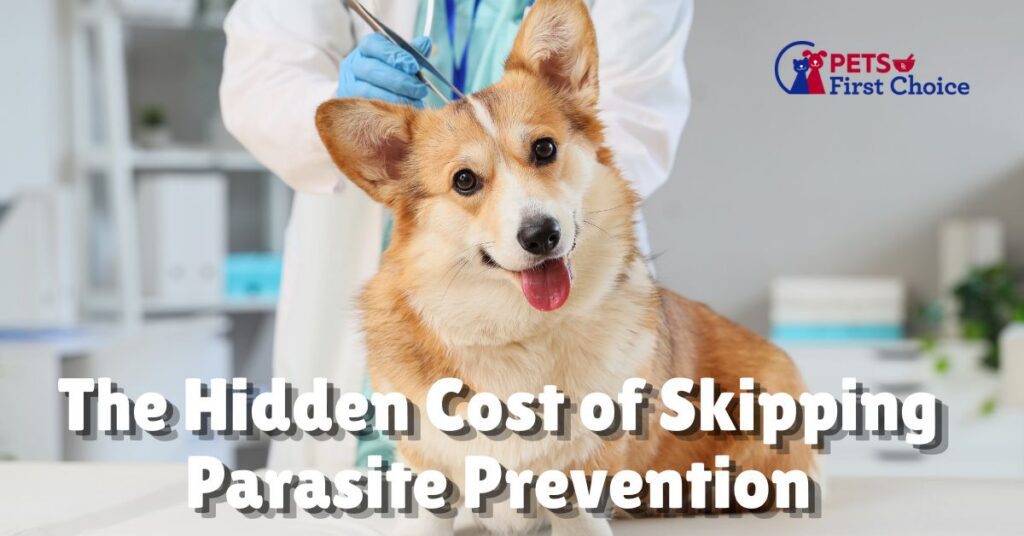
When it comes to caring for your pet, it’s easy to focus on the things you can see—food, grooming, exercise, and regular vet visits. But one of the biggest threats to your pet’s well-being often goes unnoticed until it’s too late: parasites. Skipping parasite prevention may seem like a small decision in the moment, but the long-term consequences can be costly, stressful, and even dangerous for your pet’s life.
The Invisible Threat to Animal Health
Parasites are more common than many pet owners realize. From fleas and ticks to internal worms, these organisms can live on or inside your pet without obvious signs early on. This makes them particularly dangerous, as they can silently impact animal health over time.
External parasites like fleas and ticks don’t just cause itching—they can carry diseases that affect both pets and humans. Internal parasites, such as roundworms or heartworms, can damage vital organs and disrupt your pet’s overall health. Without consistent parasite prevention, these threats can grow undetected and become severe before you even notice symptoms.
Small Problems Turn Into Big Health Risks
One of the biggest misconceptions is that parasites are just a minor nuisance. In reality, they pose serious health risks that can escalate quickly. Fleas can lead to allergic reactions, skin infections, and anemia, especially in smaller animals. Ticks are known carriers of dangerous illnesses that can affect your pet’s joints, organs, and immune system.
Even more concerning is the potential for internal parasite damage. Heartworms, for example, can live in the heart and lungs, causing long-term damage that may require extensive treatment—or worse, become fatal. By the time symptoms appear, the condition is often advanced and more difficult to manage.
The Financial Cost of Skipping Prevention
While monthly prevention may seem like an added expense, it is far more affordable than treating a full-blown infestation or disease. Many pet owners don’t realize that skipping prevention can lead to expensive vet bills down the line.
Treating flea infestations often requires multiple products, home cleaning, and follow-up care. Addressing tick-borne diseases can involve blood tests, medications, and long-term monitoring. Treating internal pet parasites may require diagnostic tests, prescriptions, and repeated treatments.
In comparison, investing in consistent flea control and tick prevention is a simple and cost-effective way to protect your pet. Prevention not only reduces the likelihood of illness but also eliminates the stress and financial burden that comes with treating advanced conditions.
Protecting Your Home and Family
Parasites don’t just affect your pet—they can also impact your home and family. Fleas can quickly spread throughout your living space, infesting carpets, furniture, and bedding. Ticks can attach to humans and transmit diseases. Some internal parasites can even be passed from pets to people, especially in households with children.
Prioritizing pet safety means thinking beyond your pet alone. It’s about creating a safe, clean environment for everyone in your home. Routine prevention helps stop infestations before they begin, reducing the risk of exposure for your entire family.
Why Consistency Matters
One of the most important aspects of effective parasite protection is consistency. Skipping even a single dose of preventive medication can leave your pet vulnerable. Parasites don’t follow a schedule, and they can strike at any time—especially in warmer climates or during peak seasons.
Year-round parasite prevention ensures continuous protection against evolving threats. Whether it’s maintaining regular flea control or staying on top of tick prevention, consistency is key to keeping your pet safe and healthy.
Early Prevention Means Long-Term Protection
Preventing parasites is always easier than treating them. By taking a proactive approach, you can avoid the complications that come with infestations and infections. Early prevention supports better animal health, reduces long-term health risks, and helps your pet live a more comfortable life.
It also gives you peace of mind. Instead of worrying about potential exposure or symptoms, you can focus on enjoying time with your pet, knowing they’re protected.
Final Thoughts
The true cost of skipping parasite prevention isn’t just financial—it’s physical, emotional, and environmental. From hidden parasite damage to rising vet bills and risks to your household, the consequences can add up quickly.
The good news is that prevention is simple. With consistent care, the right products, and a commitment to your pet’s well-being, you can avoid these hidden costs entirely. Prioritize parasite prevention, invest in reliable flea control and tick prevention, and take a proactive step toward better pet safety and overall health.
Because when it comes to your pet, prevention isn’t just an option—it’s essential.
🛒 Protect your pet with trusted parasite prevention & pet safety essentials:
