
Why Do Cats Knead Blankets? The Science Behind This Adorable Behavior
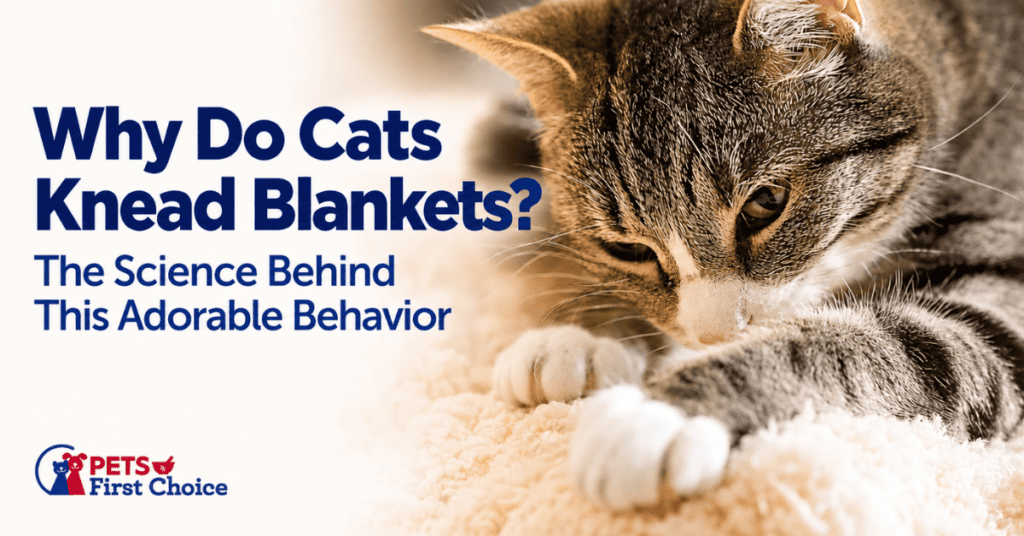
Why do cats knead? If you’ve ever watched your cat rhythmically push its paws into a blanket, pillow, or even your lap, you’ve witnessed one of the most fascinating feline behaviors. Often called “making biscuits,” this adorable habit has roots in kittenhood and can reveal a lot about your cat’s instincts and emotions.
But why do cats make biscuits, and what are they trying to tell us?
1. Kneading Begins in Kittenhood
Cat kneading behavior starts shortly after birth. Kittens instinctively press their paws against their mother’s belly while nursing to help stimulate milk flow.
Many cats carry this comforting motion into adulthood, even when they no longer need to nurse.
2. Why Do Cats Knead Blankets?
Soft blankets, pillows, and bedding provide a comfortable surface that may remind cats of the warmth and security they experienced as kittens.
If you’ve wondered why do cats knead blankets, the answer often comes down to comfort, relaxation, and instinct.
Some cats also knead before settling down to sleep, making their favorite resting spot even cozier.
3. Why Do Cats Knead and Purr?
Have you noticed your cat purring while making biscuits?
If you’re wondering why do cats knead and purr, these behaviors often happen together when cats feel safe, content, and relaxed.
However, purring can sometimes occur when cats are stressed or uncomfortable, so it’s important to consider their overall body language.
4. Why Cats Knead Their Owners
Understanding why cats knead their owners can help you recognize how your pet communicates affection and security.
When your cat kneads your lap, it may associate you with comfort and safety.
Cats also have scent glands in their paws, so kneading may help them mark familiar people and places with their scent.
5. What Does Cat Kneading Mean When It’s Excessive?
Most kneading is perfectly normal, but what does cat kneading mean when your cat suddenly starts doing it more frequently?
Some cats use kneading as a self-soothing behavior during stressful situations.
If excessive kneading appears alongside changes in appetite, hiding, unusual vocalizations, or other behavioral changes, consider consulting your veterinarian.
Pet Health Academy Takeaway 🐾
Cat behavior explained: Kneading is usually a natural expression of comfort, instinct, and security.
Whether your cat is making biscuits on a cozy blanket or curling up in your lap, understanding these little behaviors helps you become a more attentive pet parent.
At Pets First Choice Rx, we believe better pet care begins with better education.
📚 Explore more helpful pet health tips at Pet Health Academy.
Have Questions About Your Pet’s Medications or Supplements?
The pharmacy team at Pet’s First Choice can help answer questions about medications, supplements, administration, storage, and products recommended as part of your pet’s care plan.
Ask Our Pharmacist
📞 803-834-3183
✉️ info@petsfirstchoicerx.com
Pet Health Academy content is provided for educational purposes and is not a substitute for veterinary diagnosis or treatment. Contact your veterinarian with concerns about changes in your pet’s health. Difficulty or inability to urinate can be an emergency and requires prompt veterinary attention.
