
Why Is My Cat Wheezing?
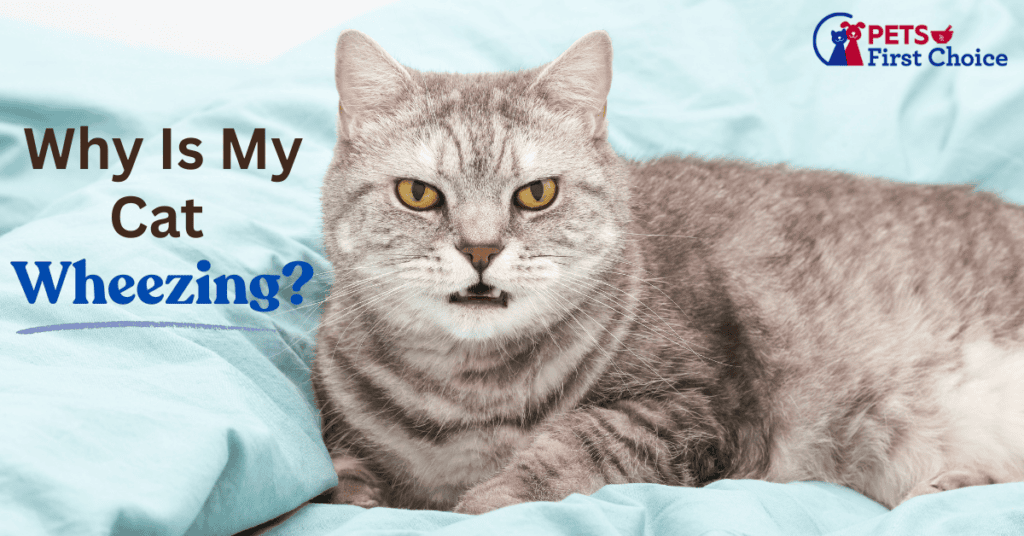
Cat asthma is one possible reason your cat may suddenly start wheezing, coughing, or making unusual sounds while breathing. While an occasional strange noise may not always indicate a serious problem, persistent wheezing in cats can be a sign that something is irritating or restricting the airways.
If you’ve found yourself asking, “Why is my cat wheezing?”, understanding the possible causes can help you recognize when your cat may need veterinary care.
What Does Wheezing in Cats Sound Like?
Wheezing is typically a high-pitched or whistling sound that occurs while a cat breathes. Some cats may also crouch low to the ground, extend their neck, or appear to work harder than usual to breathe.
It can sometimes be difficult to distinguish cat coughing and wheezing from gagging or trying to cough up a hairball. A cat experiencing a respiratory problem may repeatedly cough without producing a hairball.
Because several cat respiratory problems can cause similar symptoms, a veterinarian may need to examine your cat to determine the underlying cause.
Cat Asthma and Wheezing
Feline asthma is one of the potential causes of recurring wheezing and coughing in cats. It occurs when inflammation causes the airways to narrow, making it more difficult for air to move normally through the lungs.
Symptoms of cat asthma may include:
- Wheezing or whistling while breathing
- Frequent coughing
- Rapid or labored breathing
- Crouching with the neck extended
- Difficulty breathing
- Reduced activity during an episode
Asthma can range from mild and occasional to severe. Cats experiencing significant difficulty breathing require prompt veterinary attention.
A veterinarian may prescribe medications to help control airway inflammation or open narrowed airways. Inhaled corticosteroids such as fluticasone may be used for long-term management, while bronchodilators such as albuterol may be prescribed for certain acute symptoms. These are prescription medications and should only be used according to your veterinarian’s instructions.
Upper Respiratory Infection in Cats
An upper respiratory infection in cats can also cause unusual breathing sounds. These infections commonly affect the nose, throat, and upper airways and may be caused by viruses or bacteria.
In addition to wheezing or noisy breathing, symptoms of a cat respiratory infection may include sneezing, nasal discharge, watery eyes, congestion, reduced appetite, or lethargy.
Congestion can make breathing sound louder or more difficult, particularly when nasal passages become blocked.
If respiratory symptoms persist, worsen, or are accompanied by difficulty breathing, your veterinarian can determine whether treatment is necessary.
Can Cat Allergies Cause Wheezing?
Cat allergies can contribute to airway irritation in some cats. Environmental particles and household irritants may trigger inflammation or worsen existing respiratory conditions such as feline asthma.
Potential triggers may include:
- Dust
- Pollen
- Mold
- Cigarette or fireplace smoke
- Scented candles
- Aerosol sprays
- Perfumes
- Dusty cat litter
- Household cleaning products
If your cat frequently develops symptoms after exposure to a particular substance, mention the pattern to your veterinarian. Reducing exposure to potential irritants may be one part of managing certain cat breathing problems.
Other Causes of Cat Breathing Problems
Not every wheezing sound is caused by asthma or infection. Other conditions can produce coughing, noisy breathing, or respiratory distress.
Possible causes of cat respiratory problems include parasites, foreign objects in the airway, heart disease, pneumonia, fluid around the lungs, or other lung and airway conditions.
This is why recurring wheezing shouldn’t automatically be assumed to be asthma. A veterinarian may use a physical examination, X-rays, bloodwork, or other diagnostic tests to identify the cause.
When Should You See a Veterinarian?
Occasional mild symptoms should still be discussed with your veterinarian, particularly if they continue or return.
Contact your veterinarian if your cat experiences persistent wheezing, repeated coughing, changes in appetite or activity, nasal discharge, or breathing that appears faster or more difficult than normal.
Some cat breathing problems can become emergencies.
Seek immediate veterinary care if your cat is struggling to breathe, breathing with an open mouth, has blue or gray gums or tongue, collapses, or appears severely distressed.
Helping a Cat With Respiratory Problems
Treatment depends on what is causing the symptoms. A cat respiratory infection, for example, may require a very different approach from feline asthma.
For cats diagnosed with asthma, veterinarians may recommend medications designed to reduce inflammation or help open the airways. Environmental management may also be helpful, especially if smoke, fragrances, dust, or other airborne irritants appear to trigger symptoms.
Never give your cat human respiratory medication unless your veterinarian has specifically prescribed it for your pet.
Why Is My Cat Wheezing? Don’t Ignore Persistent Symptoms
If you’re wondering “Why is my cat wheezing?”, there isn’t one answer that applies to every cat. Wheezing in cats can be associated with cat asthma, an upper respiratory infection in cats, cat allergies, or other respiratory and health conditions.
Pay attention to when the wheezing occurs, how long it lasts, and whether your cat is experiencing coughing, congestion, behavioral changes, or difficulty breathing. This information can help your veterinarian determine what may be causing the problem.
With an accurate diagnosis and appropriate veterinary treatment, many respiratory conditions, including feline asthma, can be effectively managed so your cat can breathe more comfortably.
Have Questions About Your Pet’s Medications or Supplements?
The pharmacy team at Pet’s First Choice can help answer questions about medications, supplements, administration, storage, and products recommended as part of your pet’s care plan.
Ask Our Pharmacist
📞 803-834-3183
✉️ info@petsfirstchoicerx.com
Pet Health Academy content is provided for educational purposes and is not a substitute for veterinary diagnosis or treatment. Contact your veterinarian with concerns about changes in your pet’s health. Difficulty or inability to urinate can be an emergency and requires prompt veterinary attention.
