
Why Is My Dog Limping? Common Causes and Treatment Options
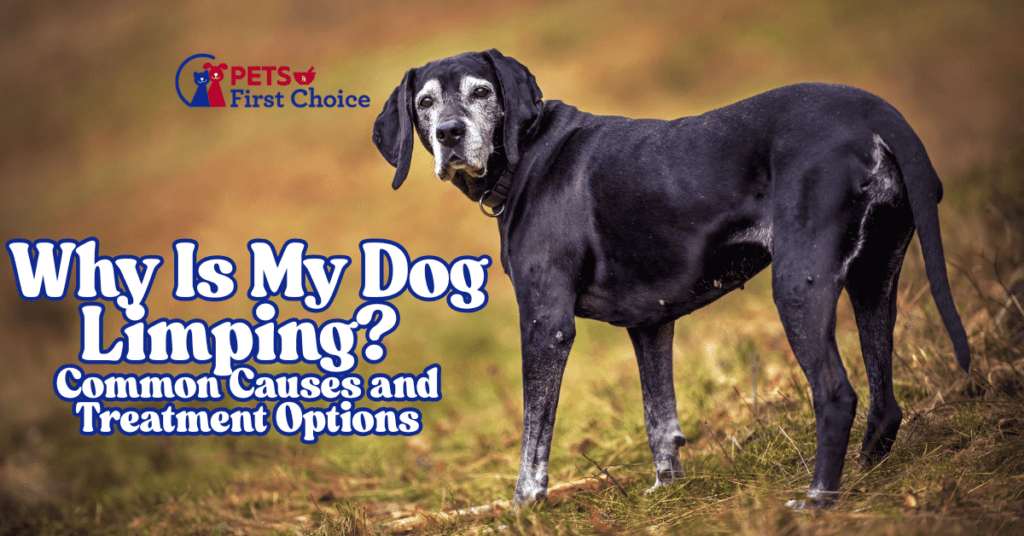
Dog limping is one of the most common reasons pet owners seek veterinary care. While some cases are caused by minor injuries that improve with rest, others may indicate more serious dog health concerns such as arthritis, ligament injuries, infections, or fractures. Understanding the common dog limp causes can help you determine when to monitor your pet at home and when to seek veterinary attention.
Why Is My Dog Limping?
If you’ve found yourself asking, “Why is my dog limping?” you’re not alone. Limping occurs when a dog experiences discomfort, weakness, or difficulty bearing weight on one or more legs.
Some dogs may refuse to put weight on the affected limb entirely, while others may only show subtle changes in their gait. Because dogs often try to hide discomfort, even mild limping can be a sign of an underlying problem.
The good news is that identifying the cause early can help prevent further injury and improve your dog’s recovery.
Common Dog Limp Causes
There are many possible dog limp causes, ranging from minor strains to more serious medical conditions.
1. Sprains and Strains
Just like humans, dogs can overextend muscles, tendons, and ligaments during exercise or play. Running, jumping, roughhousing, or sudden changes in direction can lead to soft tissue injuries.
Signs may include:
- Mild limping
- Swelling
- Sensitivity to touch
- Reluctance to exercise
2. Arthritis and Joint Disease
Arthritis is one of the most common causes of dog leg pain, especially in senior dogs.
Dogs with arthritis often experience:
- Stiffness after resting
- Difficulty standing up
- Reluctance to climb stairs
- Slower movement during walks
- Ongoing dog mobility issues
Arthritis-related limping may develop gradually and become more noticeable over time.
3. Paw Injuries
Sometimes the problem isn’t in the leg at all.
Common paw injuries include:
- Cuts or abrasions
- Torn nails
- Splinters
- Foreign objects stuck between paw pads
- Burns from hot pavement
A quick paw inspection can often reveal the source of discomfort.
4. Ligament Injuries
One of the most serious dog injury symptoms is damage to the cranial cruciate ligament (CCL), which is similar to the ACL in humans.
Dogs with CCL injuries may:
- Suddenly begin limping
- Hold one leg off the ground
- Struggle to stand after resting
- Show decreased activity levels
These injuries often require veterinary treatment and, in some cases, surgery.
5. Fractures and Broken Bones
Falls, accidents, or traumatic injuries can result in fractures.
Symptoms may include:
- Severe limping
- Visible swelling
- Inability to bear weight
- Pain when touched
If you suspect a fracture, contact your veterinarian immediately.
When Should You Be Concerned About Dog Limping?
Not every limp is an emergency, but certain symptoms should never be ignored.
Contact your veterinarian if your dog:
- Refuses to put weight on a leg
- Cries out in pain
- Has severe swelling
- Shows signs of infection
- Experiences limping for more than 24-48 hours
- Appears lethargic or unwell
Persistent limping is one of the most common dog health concerns veterinarians evaluate and may indicate a condition that requires professional treatment.
Dog Limping Treatment Options
The appropriate dog limping treatment depends on the underlying cause.
Rest and Activity Restriction
For minor strains or sprains, your veterinarian may recommend limiting activity for several days to allow healing.
This often includes:
- Short leash walks
- Avoiding stairs
- No jumping or rough play
Prescription Medications
Many dogs benefit from medications designed to reduce pain and inflammation.
Veterinarians may recommend treatments that provide dog pain relief while helping improve mobility and comfort. Anti-inflammatory medications are commonly prescribed for arthritis, injuries, and post-surgical recovery.
Physical Rehabilitation
For dogs with ongoing dog mobility issues, physical therapy can be extremely beneficial.
Therapies may include:
- Controlled exercise
- Hydrotherapy
- Stretching routines
- Strength-building exercises
Weight Management
Excess weight places additional stress on joints and can worsen dog leg pain.
Maintaining a healthy weight is one of the most effective ways to improve long-term mobility and reduce strain on the body.
How Can You Help Prevent Dog Limping?
While not all injuries can be prevented, there are steps pet owners can take to support joint and mobility health.
Helpful strategies include:
- Maintaining a healthy body weight
- Providing regular low-impact exercise
- Avoiding excessive jumping
- Using ramps for senior dogs
- Scheduling routine veterinary exams
- Monitoring for early dog injury symptoms
Early intervention often leads to better outcomes and a quicker return to normal activity.
Frequently Asked Questions
Why is my dog limping but not crying?
Dogs often hide pain instinctively. Even if your dog isn’t vocalizing, limping may still indicate discomfort, injury, or joint disease.
Can arthritis cause dog limping?
Yes. Arthritis is one of the most common causes of dog limping, especially in older dogs. It frequently causes stiffness, reduced activity, and ongoing dog mobility issues.
Should I let my dog walk if they are limping?
Mild activity may be acceptable in some situations, but excessive exercise can worsen injuries. Consult your veterinarian if limping persists.
What can I give my dog for pain relief?
Only use medications prescribed or approved by your veterinarian. Many human pain medications can be harmful to dogs.
Final Thoughts
Dog limping is often the body’s way of signaling that something isn’t right. Whether the cause is a minor strain, arthritis, a paw injury, or a more serious condition, early attention can make a significant difference in your dog’s comfort and recovery.
If you’ve been wondering, “Why is my dog limping?” don’t ignore the signs. Monitoring dog injury symptoms, addressing dog leg pain early, and seeking appropriate dog limping treatment can help keep your pet active, comfortable, and healthy for years to come.
For trusted pet wellness products and dog pain relief options, visit PetsFirstChoiceRx.com.
