
Pet Probiotics Explained: Benefits, Uses, and When They’re Needed
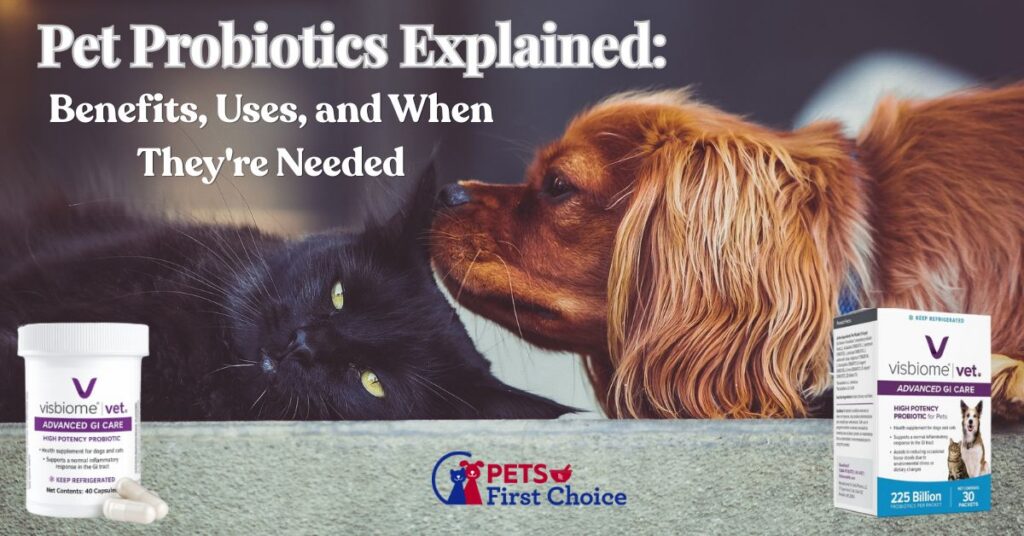
Pet probiotics are beneficial live microorganisms that help maintain a healthy balance of bacteria in your pet’s digestive system. Whether you have a playful puppy, an active adult dog, or a curious cat, these supplements can support digestion, immune function, and overall wellness by promoting a healthy gut microbiome.
What Are Pet Probiotics?
The digestive tract is home to trillions of beneficial bacteria that help break down food, absorb nutrients, and support the immune system. When this natural balance is disrupted by stress, illness, antibiotics, or changes in diet, digestive problems can occur.
Pet probiotics work by replenishing these beneficial bacteria, helping to restore balance within the gut. They are available in powders, capsules, chews, and other formulations designed specifically for dogs and cats.
Benefits of Probiotics for Dogs and Cats
Healthy digestion affects far more than your pet’s stomach. Maintaining strong pet gut health supports many important bodily functions.
Some of the key benefits of probiotics for dogs and probiotics for cats include:
- Supporting healthy digestion
- Promoting regular bowel movements
- Maintaining a balanced gut microbiome
- Supporting normal immune function
- Helping restore beneficial bacteria after antibiotic use
- Encouraging healthy nutrient absorption
Many veterinarians recommend dog probiotics and cat probiotics as part of a comprehensive wellness plan, particularly for pets with sensitive stomachs or recurring digestive issues.
When Are Pet Probiotics Needed?
While healthy pets can benefit from digestive support, probiotics are especially helpful during times when the gut microbiome may become imbalanced.
Your veterinarian may recommend probiotics if your pet experiences:
- Occasional diarrhea
- Loose stools
- Digestive upset
- Stress-related stomach issues
- Recovery after antibiotic treatment
- Changes in diet
- Sensitive digestion
These situations can temporarily reduce beneficial bacteria within the digestive tract, making it harder for your pet to maintain normal digestive function.
Choosing the Best Probiotics for Dogs
Not all probiotic supplements are created equal. The best probiotics for dogs contain carefully selected strains of beneficial bacteria that have been studied for digestive and immune support.
When selecting a probiotic, consider:
- High-quality bacterial strains
- Adequate live bacteria counts
- Veterinary recommendations
- Products formulated specifically for pets
- Reliable manufacturing standards
Because every pet has unique health needs, it’s always best to consult your veterinarian before starting a new supplement.
Supporting Long-Term Gut Health
Maintaining excellent dog gut health and cat gut health requires more than just supplements. Daily habits also play an important role in supporting the digestive system.
Help keep your pet’s digestive tract healthy by:
- Feeding a complete and balanced diet
- Introducing new foods gradually
- Providing fresh water daily
- Exercising regularly
- Scheduling routine veterinary checkups
- Using veterinarian-recommended probiotics when appropriate
Give Your Pet the Digestive Support They Deserve
A healthy gut is the foundation of your pet’s overall wellness. By supporting the digestive tract with proper nutrition, routine veterinary care, and high-quality pet probiotics, you can help promote healthy digestion, immune function, and long-term vitality.
If you’re looking for advanced digestive support, Visbiome Vet® offers a high-potency probiotic formula designed to help maintain a healthy gut microbiome in both dogs and cats. Talk with your veterinarian to see if it’s the right choice for your pet’s digestive health journey.
Shop Visbiome Vet® today at Pets First Choice Rx: https://petsfirstchoicerx.com/visbiome/
