
How Weight Gain Quietly Affects Your Pet’s Long-Term Health
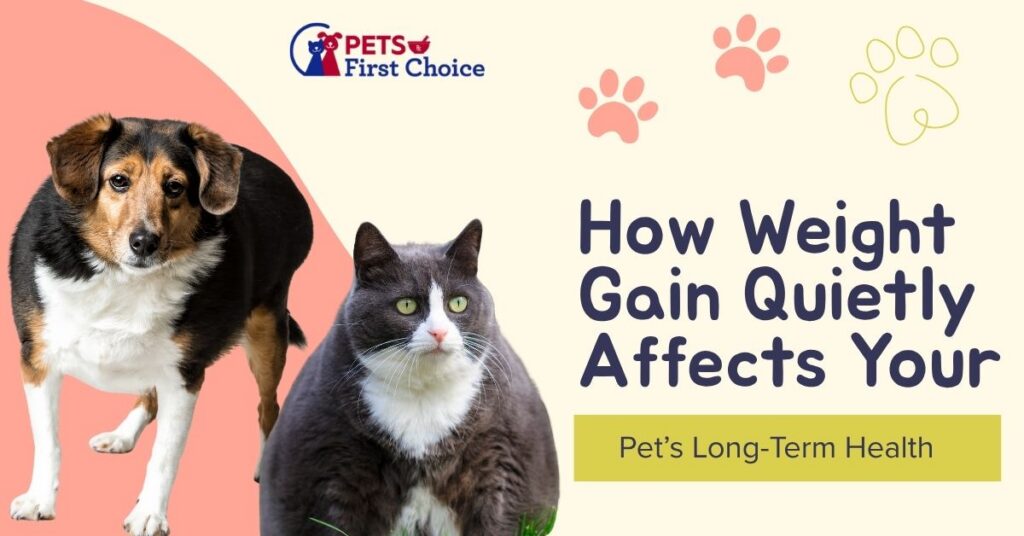
It’s easy to overlook a few extra pounds on your pet. After all, an extra treat here or a little less exercise there may not seem like a big deal. However, gradual weight gain can have lasting effects on your companion’s overall well-being. Pet obesity is one of the most common health concerns seen by veterinarians today, and it can significantly reduce your pet’s quality of life if left unaddressed.
By recognizing the early signs of weight gain and taking steps toward pet weight management, you can help your furry friend live a longer, healthier, and more active life.
Why Pet Obesity Is More Serious Than You Think
Many pet owners don’t realize their dog or cat is overweight because the change happens slowly over time. What starts as a few extra pounds can eventually place unnecessary stress on joints, organs, and the cardiovascular system.
Studies have linked pet obesity to numerous chronic health conditions, including:
- Arthritis and joint pain
- Diabetes
- Heart disease
- High blood pressure
- Respiratory problems
- Liver disease
- Reduced mobility
- Shortened lifespan
Maintaining a healthy weight is one of the simplest yet most effective ways to improve your pet’s long-term pet health.
Signs Your Pet May Be Overweight
Weight gain isn’t always obvious, especially in long-haired breeds. Knowing what to look for can help you identify a problem before it becomes more serious.
Signs of an Overweight Dog
An overweight dog may show several warning signs, including:
- Difficulty feeling their ribs beneath a layer of fat
- A disappearing waistline
- Reduced energy levels
- Panting after mild activity
- Difficulty climbing stairs or jumping
- Slower movement during walks
If your dog seems less active than usual, excess weight could be contributing to their discomfort.
Signs of an Overweight Cat
An overweight cat often becomes less playful and spends more time resting. Other common signs include:
- Difficulty grooming certain areas
- A rounded abdomen
- Trouble jumping onto furniture
- Reduced activity
- Less interest in playing
Because cats naturally hide discomfort, gradual weight gain often goes unnoticed until mobility begins to decline.
How Excess Weight Impacts Long-Term Health
Extra weight affects nearly every system in your pet’s body. Over time, carrying excess fat increases inflammation, placing additional strain on joints and internal organs.
Some of the long-term consequences include:
- Joint Damage
- Additional weight increases pressure on hips, knees, and elbows, accelerating arthritis and causing chronic pain.
- Diabetes
- Excess body fat reduces insulin sensitivity, making overweight pets more likely to develop diabetes.
- Heart and Lung Stress
- Extra weight forces the heart and lungs to work harder, reducing stamina and increasing fatigue during normal activities.
- Reduced Lifespan
- Research consistently shows that pets maintaining a healthy body weight often live longer than overweight pets.
- Reduced Lifespan
- Research consistently shows that pets maintaining a healthy body weight often live longer than overweight pets.
The Importance of Pet Nutrition
Healthy weight begins with proper pet nutrition. Many pets consume more calories than they burn each day, often through oversized portions, table scraps, and calorie-dense treats.
Some simple nutrition tips include:
- Measure every meal rather than estimating portions.
- Limit high-calorie treats.
- Choose balanced diets recommended by your veterinarian.
- Avoid excessive table scraps.
- Provide plenty of fresh water.
Proper pet nutrition supports not only healthy weight but also immune function, skin health, digestion, and overall wellness.
Safe Pet Weight Management
Successful pet weight management isn’t about rapid weight loss. Instead, it focuses on creating sustainable habits that improve your pet’s health over time.
A veterinarian can help determine:
- Ideal body weight
- Daily calorie requirements
- Appropriate exercise levels
Whether prescription weight management diets are needed
Gradual progress is both safer and more effective than sudden dietary changes.
Dog Weight Loss Tips
Healthy dog weight loss combines proper nutrition with increased activity.
- Daily walks
- Interactive games like fetch
- Puzzle feeders
- Portion-controlled meals
- Healthy low-calorie treats
- Regular weight monitoring
Avoid drastically reducing food intake without veterinary guidance, as dogs still require balanced nutrition.
Cat Weight Loss Tips
Unlike dogs, cat weight loss requires careful planning because losing weight too quickly can lead to serious liver disease.
Healthy approaches include:
- Scheduled meal feeding instead of free-feeding
- Interactive toys that encourage movement
- Food puzzles
- Climbing towers and scratching posts
- Portion control
- Prescription weight-loss diets when recommended
Increasing daily activity—even by just 10–15 minutes—can make a meaningful difference over time.
Preventing Future Weight Gain
Once your pet reaches a healthy weight, maintaining it becomes the next priority.
You can help prevent future weight gain by:
- Scheduling routine veterinary checkups
- Weighing your pet regularly
- Measuring every meal
- Keeping treats under 10% of daily calories
- Staying consistent with exercise
- Monitoring changes in appetite or activity
Small lifestyle adjustments today can prevent much larger health problems tomorrow.
Help Your Pet Live a Longer, Healthier Life
Weight gain often happens gradually, making it easy to overlook until health problems begin to appear. Fortunately, pet weight loss and long-term wellness are achievable with the right combination of balanced nutrition, regular exercise, and veterinary guidance.
Whether you have an overweight dog or an overweight cat, taking action early can improve mobility, reduce disease risk, and enhance your pet’s overall quality of life.
At Pets First Choice Rx, we’re committed to supporting your pet’s lifelong wellness with trusted prescription diets, nutritional products, and veterinarian-recommended health solutions. Explore our selection today and help your pet stay happy, active, and healthy for years to come.
For trusted pet wellness products and dog pain relief options, visit PetsFirstChoiceRx.com.
